We’ve recently embedded a new report to the Organic Research tool – Subdomains.
The first great thing about the Subdomains report is that it helps you analyze your competitors’ domains performance within particular niches and locations. And as you know, many companies place services on their sites’ subdomains. The new feature allows users to get a list of Subdomains for a given domain (root domain) as well as a list of keywords for the exact subdomain.
You can find the new report in our left menu.
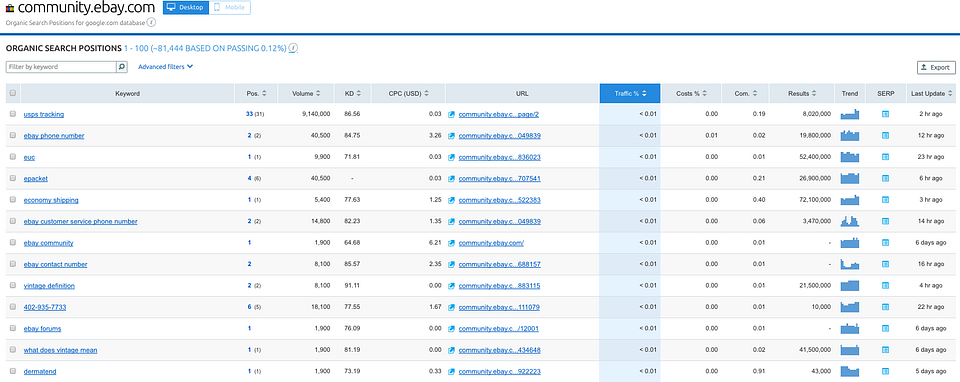
After opening the report, you will get a list of subdomains for a given domain. It is sorted by Traffic (by default), but you can sort it by any column.
In addition, the Subdomains feature allows you to analyze language subdomains of your competitors’ sites.
By clicking on any subdomain in this table, you will be taken to the ‘Organic Search Positions’ table, which is similar to what you can see in the ‘Organic Positions’ report, but only for selected subdomains.
The Subdomains report is now available for all databases. Enjoy!
As always, we’re interested in your feedback. Feel free to send your ideas and suggestions to product-beta@sr02.scalepine.com.
Semrush’s New Traffic Insights Explains Changes In Competitor Traffic Performance
New AI-powered Traffic Insights in Traffic Analytics help teams identify competitor traffic spikes and drops, understand the drivers, and act faster.
Product News
June 11, 2026
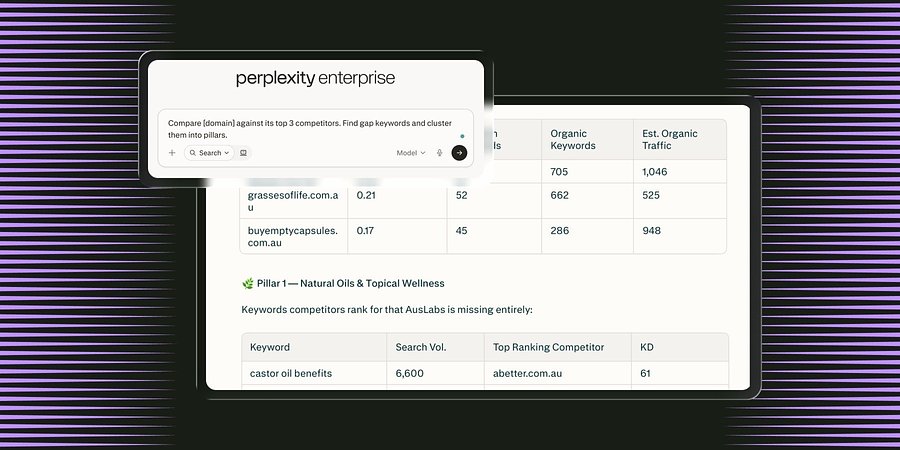
Semrush Launches MCP Connector in Perplexity, Integrating Search Intelligence Within the AI Search Engine
The new Model Context Protocol (MCP) connector enables all Perplexity users in Computer to access Semrush’s search intelligence data natively inside the LLM platform to boost brand visibility.
Product News
June 3, 2026
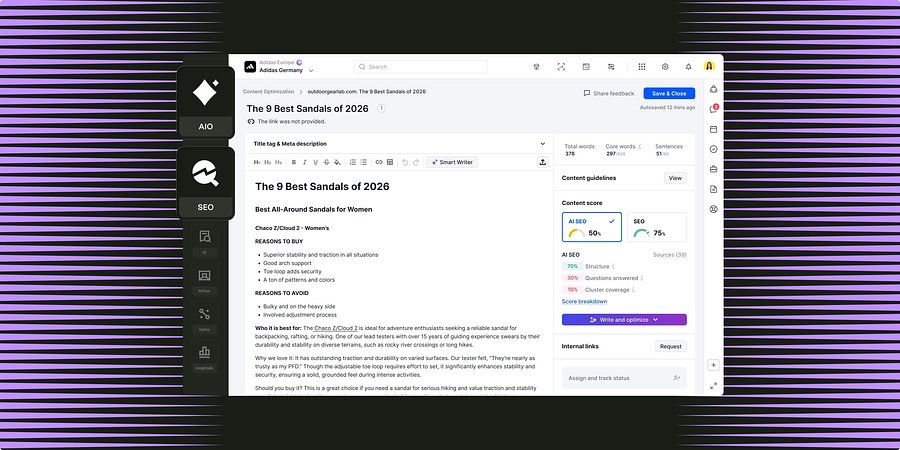
Semrush for Enterprise Unifies Content Optimization Capabilities Across SEO and AI Search
New workflows shared between Enterprise SEO and AI Optimization enable teams to grow brand visibility through high-performing content for both search channels.